2005 - Clive's Top Albums of Every Year Challenge
Over what has already been many years, and will likely be a few more, I’ve been ranking and reviewing the top 5 albums - plus a fair few extras - according to users on rateyourmusic.com (think IMDB for music) from every year from 1960 to the present. If you want to know more, I wrote an introduction to the ‘challenge’ here. You can also read all the other entries I’ve written so far by heading to the lovely index page here.
And so we enter the second half of the 2000s, the year Tony Blair became the first Labour Party prime minister to win three successive terms, Angela Merkel became Germany’s first female chancellor, and 52 people were killed in a terrorist attack on London’s transport network. Music wise, here’s what rateyourmusic.com users rate as the year’s best albums:
#1 Sufjan Stevens - Illinois
#2 Janye West - Late Registration
#3 Nujabes - Modal Soul
#4 Gorillaz - Demon Dayz
#5 Coil - The Ape of Naples
And here’s a bunch more, because I can’t help myself.
#6 Gojira - From Mars to Sirius
#8 Boris - Pink
#9 The Mars Volta - Frances the Mute
#10 Common - Be
#12 Imogen Heap - Speak For Yourself
#15 The Newfound Interest in Connecticut - The Long Dark Walk Home
#17 Sleater-Kinney - Woods
#19 Boards of Canada - Campfire Headphase
#25 The Mountain Goats - The Sunset Tree
Off we go.
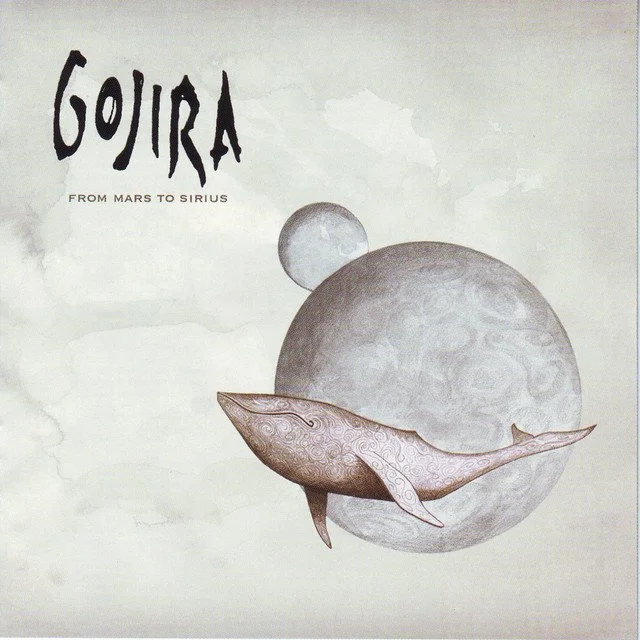
14. From Mars to Sirius
Gojira
“Released in 2005, From Mars to Sirius is the third studio album by French metal band Gojira. A concept album focused on ecology, spirituality, and the resurrection of a dead planet, it helped the band break internationally and is widely considered a landmark in progressive and extreme metal.” - Wikipedia
From Mars to Sirius cemented Gojira as one of modern metal’s most forward-thinking forces. A concept album about environmental renewal and cosmic evolution, it balances brute heaviness with transcendence. The riffs are pulverising, yes, but it’s the way they lift off - soaring between the djenty churns - that gives the record its strange grace. The production is dense yet precise, and the band’s command of dynamics is remarkable. The vocals, however, fall short of the music’s ambition for me: more textured than a typical “roar,” but still one-note compared to the kaleidoscope beneath them.
7/10
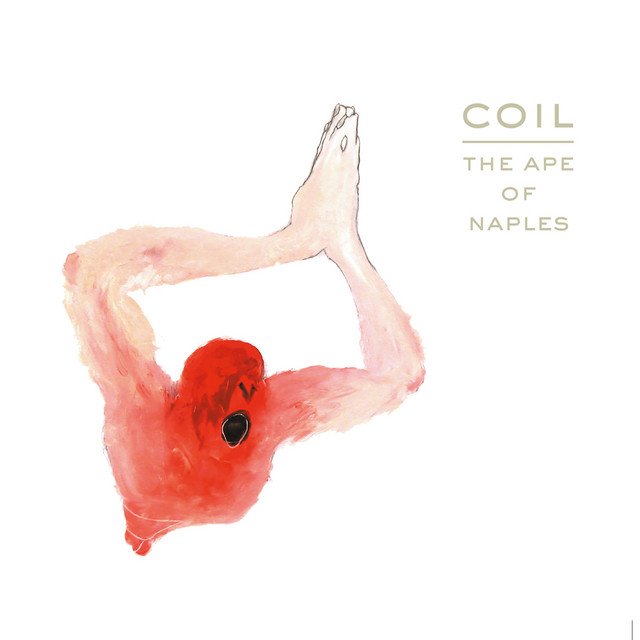
13. The Ape of Naples
Coil
“The Ape of Naples is Coil’s final studio album, completed after the death of founder John Balance. It draws from the group’s Backwards sessions and is often viewed as a requiem-like culmination of their experimental industrial and post-industrial work.” - Wikipedia
The Ape of Naples feels like standing in the ruins of something sacred. It’s an astonishing work of atmosphere - Coil conjure a world that feels both industrial and desolate, full of screams, hums, and collapsing echoes. There’s a sense of finality to it, a ghostly beauty that lingers in every corner, but also something deeply unsettling. It’s grief turned into sound, a ritual of loss that never quite resolves. As an artistic statement, it’s monumental; as a listening experience, it’s harrowing. I’m in awe of the world it creates - but it’s a world I’m not sure I want to return to.
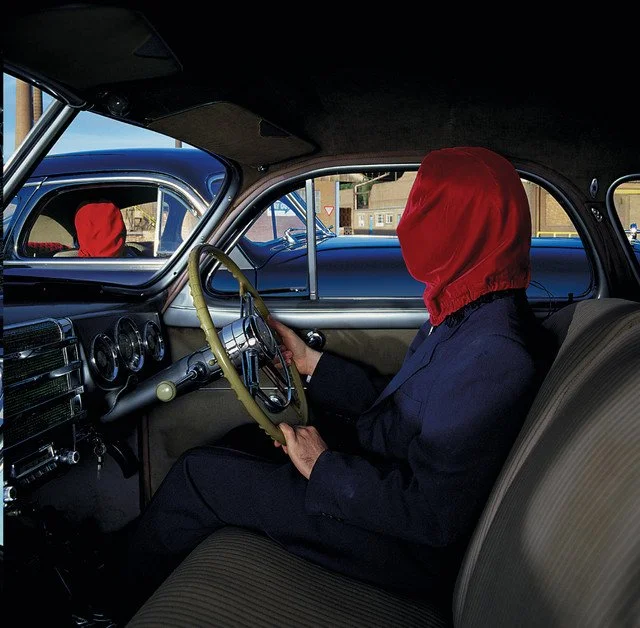
12. Frances the Mute
The Mars Volta
“Frances the Mute is the second album by The Mars Volta. Inspired by a diary found by a band member, it blends progressive rock, Latin influences, free-jazz chaos, and post-hardcore roots, expanding the sprawling sound they began on De-Loused in the Comatorium.” - Wikipedia
Born from the ashes of At the Drive-In, Frances the Mute sees vocalist Cedric Bixler-Zavala and guitarist Omar Rodríguez-López push their post-hardcore roots into sprawling prog-rock territory. The howls and wails that once fronted taut, punkish bursts now ride over labyrinthine rhythms, endless tempo shifts, and dense instrumental tangles. It’s just as loud and intense as At the Drive-In, but far less structured - like someone shredded one of their records and reassembled it blindly, with every piece slightly out of place. The result is part genius, part delirium: songs bleed into each other, melodies vanish mid-phrase, and the chaos itself becomes the point. There’s brilliance in the wreckage, but also fatigue - a wild, creative mess that’s fascinating even when it’s hard to love.
7.5
11. Pink
Boris
“Pink is the Tokyo trio Boris’s breakthrough album, blending stoner rock, punk, shoegaze, and noise. It gained cult acclaim for its raw energy and genre-mixing heaviness.” - Wikipedia
Pink is a fuzz-drenched throwback that channels the grit and swagger of early heavy rock through Boris’s trademark wall of noise. The Black Sabbath-esque guitar tones are immense and satisfyingly filthy, wrapping the album in a haze of distortion that feels both nostalgic and alive. It’s a messy, heady listen - sometimes exhilarating, sometimes overwhelming - where moments of melody and shoegaze briefly surface before being swallowed again by chaos. Not every experiment lands, and the sheer density can blur the album’s shape at times, but when Boris hit their stride, Pink captures something raw and timeless. Lacks the intrigue of some of their other albums, but undeniably entertaining.
7.5/10
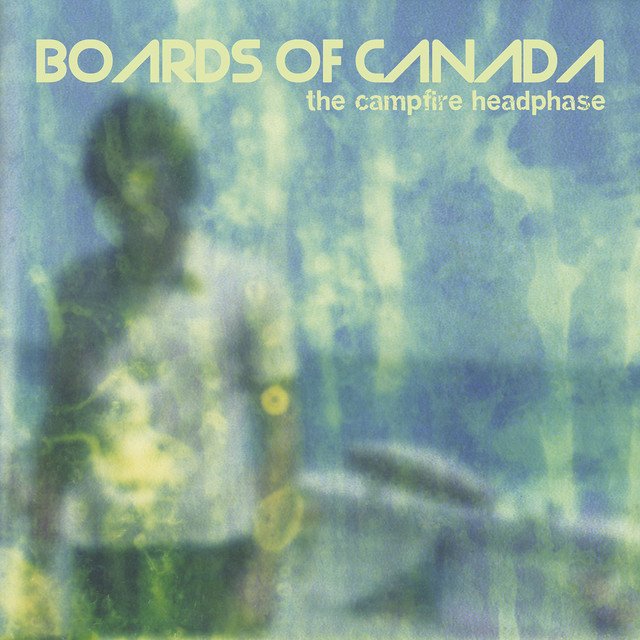
10. The Campfire Headphase
Boards of Canada
“The Campfire Headphase is the third studio album by Scottish electronic duo Boards of Canada. Known for incorporating more acoustic guitar textures, it marked a warmer, more organic turn in their typically nostalgic, analogue-hazed sound.” - Wikipedia
The Campfire Headphase drifts like a calm yet uneasy voyage through space. Immersive and atmospheric, it pares things back to a deliberate simplicity. That restraint makes it Boards of Canada’s most approachable record, but also one that lingers less once the orbit ends.
8/10
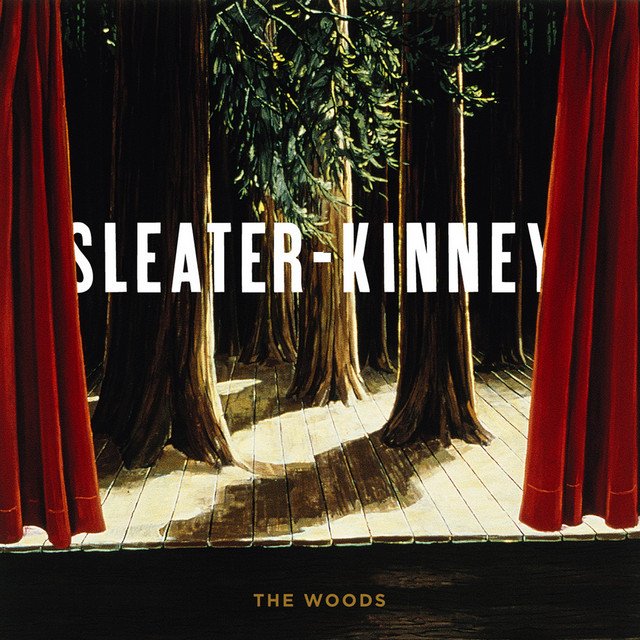
9. Woods
Sleater-Kinney
“The Woods is the seventh album by Sleater-Kinney and their final before a long hiatus. Produced by Dave Fridmann, it pushed their sound toward heavier, more chaotic classic-rock distortion while retaining the band’s feminist punk ethos.” - Wikipedia
Another album of pulverising riffs and howls from Tucker, The Woods is Sleater-Kinney at their most primal yet deliberate. The guitars don’t just crunch - they combust, feeding on feedback and chaos, while Weiss’s drumming holds it all together like steel scaffolding in a storm. Tucker’s voice, always a weapon, sounds on the edge of collapse, transforming anguish and exhilaration into something transcendent.
Despite its noise and length - particularly the extended jams of “Let’s Call It Love” and “Night Light” - The Woods feels intensely focused. It’s punk rock stretched to its breaking point, infused with classic-rock swagger and feminist rage. There’s beauty buried in the wreckage too: “Modern Girl” offers a rare moment of quiet irony, its sweetness corroded by distortion.
8
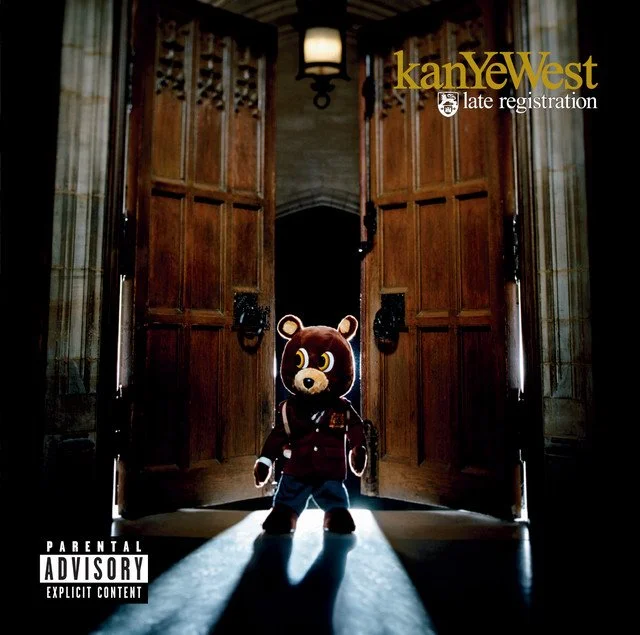
8. Late Registration
Kanye West
“Late Registration is the second studio album by American rapper and producer Kanye West. Expanding on The College Dropout, it saw him collaborate with composer Jon Brion, weaving baroque instrumentation and lush orchestration into his signature soul-sampling style. Widely acclaimed, it solidified Kanye as one of the most ambitious artists of his generation.” - Wikipedia
Late Registration carries much of the freshness, confidence, and sheer enjoyment that made The College Dropout so magnetic, but it trades some of that rawness for grandeur. The orchestral flourishes and cinematic sweep give it a sparkly, spacey quality. Maybe I’m biased by “Diamonds from Sierra Leone” - but it feels slightly more polished and pop-leaning. There’s beauty in that evolution, yet I sometimes miss the scrappy, hungry energy of his debut. Late Registration is elegant, expansive, and often dazzling, but when I crave that era of Kanye, I still reach for College Dropout first.
8/10
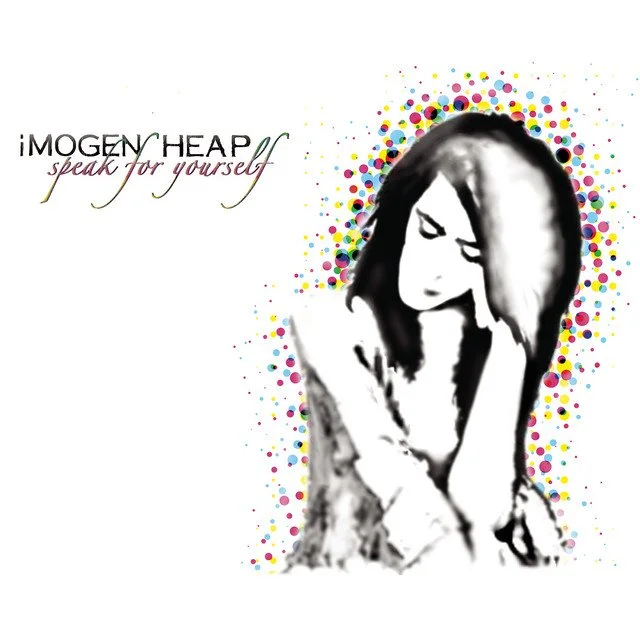
7. Speak for Yourself
Imogen Heap
“Speak for Yourself is the second solo album by English musician Imogen Heap. Self-produced and blending pop with electronic experimentation, it found sleeper success, especially thanks to the hit “Hide and Seek.”” - Wikipedia
Turns out there’s far more to Imogen Heap than her trademark vocoder-drenched vocals. Speak for Yourself is a smart, self-produced pop record that finds a perfect balance between experimental electronic textures and instantly memorable hooks. It’s clever, layered, and modern without ever losing its emotional core.
From the opening moments, Heap proves she knows her way around a melody - these are pop songs, but they never slide into cheese. Tracks like “Headlock” and “Goodnight and Go” shimmer with an inventive energy, pairing off-kilter rhythms and lush synthscapes with deeply human lyrics. Her voice, whether fractured through digital processing or left bare, is always expressive and central.
The album’s centrepiece, “Hide and Seek,” remains a small miracle. An almost a-cappella piece built entirely from harmonised, vocodered vocals. It’s haunting, intimate, and structurally daring - the kind of song that feels both futuristic and timeless.
If there’s a flaw, it’s that the second half doesn’t always sustain the same level of spark as the first; the energy dips slightly, even if the craft never does. Still, Speak for Yourself stands as a constantly engaging listen - playful, emotional, and full of inventive production that rewards repeat visits. It’s the sound of an artist completely in command of her own world.
8.5
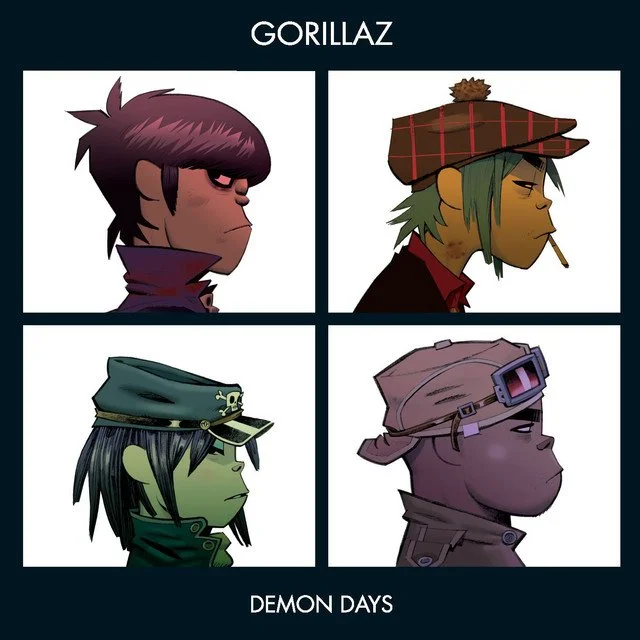
6. Demon Days
Gorillaz
“Demon Days is the second album by virtual band Gorillaz, produced largely by Danger Mouse. Incorporating hip-hop, dub, pop, and electronic influences, it became a global hit and a defining record of mid-2000s alternative music.” - Wikipedia
Everything on Demon Days sounds satisfyingly chunky - a Yorkie of an album. It’s a record that somehow feels like a parallel universe rendered in claymation: synthetic, malleable, and satisfying. The production is dense but chewy, with beats that clomp rather than glide, and melodies that seem built from recycled cartoon debris. Damon Albarn’s melancholic pop instincts weave through the grime, trip-hop, and dub textures. Even when it veers into darker territory (“Kids with Guns,” “El Mañana”), the songs still feel playful. Demon Days is world-building through basslines.
8.5
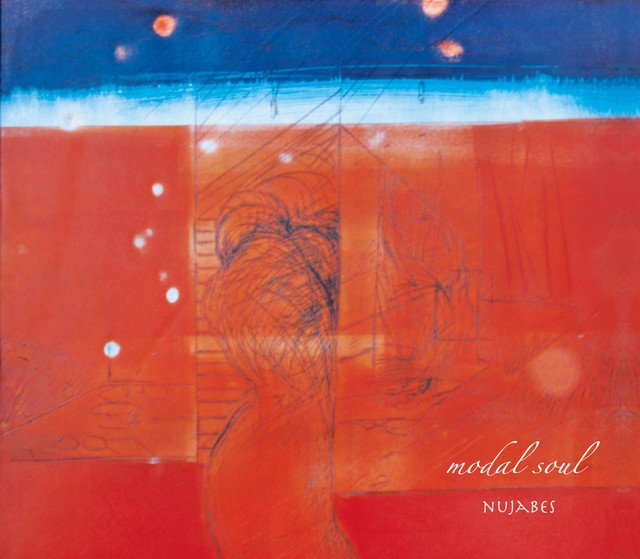
5. Modal Soul
Nujabes
“Modal Soul is the second studio album by Japanese producer Nujabes. Fusing jazz, hip-hop, and downtempo, it features rappers such as Cise Starr and Pase Rock, and is considered a cornerstone of chill-hop.” - Wikipedia
Modal Soul is one of those rare albums that feels like stepping into a parallel space - calm and sunlit. From the opening bars, the sumptuous walking bass lines set a foundation that feels as wholesome and sustaining as wholemeal sourdough, grounding the listener even as the music drifts skyward.
Some of the instrumental sections verge on pure bliss. The title track is the most striking example: cross-stick hits patter like soft percussion in the corner of a room, locking into an uplifting bass groove while a free-flowing wind instrument - part saxophone, part flute in spirit if not in timbre - seems to sing with unguarded joy. It’s one of those moments where the rhythm, harmony, and melody all lean into each other with such natural ease that you almost forget you’re listening to a constructed piece of music. It feels instead like you’ve stumbled across something alive.
Equally important, though, are the vocal features scattered across the record. The rappers never disrupt the album’s chilled, reflective atmosphere; instead, they add lyrical intrigue and human texture that glide seamlessly into the broader soundscape. Their verses act as waypoints, grounding the listener in narrative before the music flows gently back into the instrumental-dominated second half. This ebb and flow of voice and instrument makes Modal Soul feel like a complete journey rather than just a beat tape.
Throughout, Nujabes’s gift lies in balance: hip-hop rhythms that never overpower, textures that shimmer but don’t overwhelm, and melodic phrasing that invites rather than demands. Listening feels like being taken on holiday - not to a place of frenzy or spectacle, but to a quiet retreat where everything is lit with golden light and every detail seems designed to soothe.
Modal Soul is a record of deep warmth, quietly confident in its artistry, and endlessly rewarding on repeat listens.
9/10
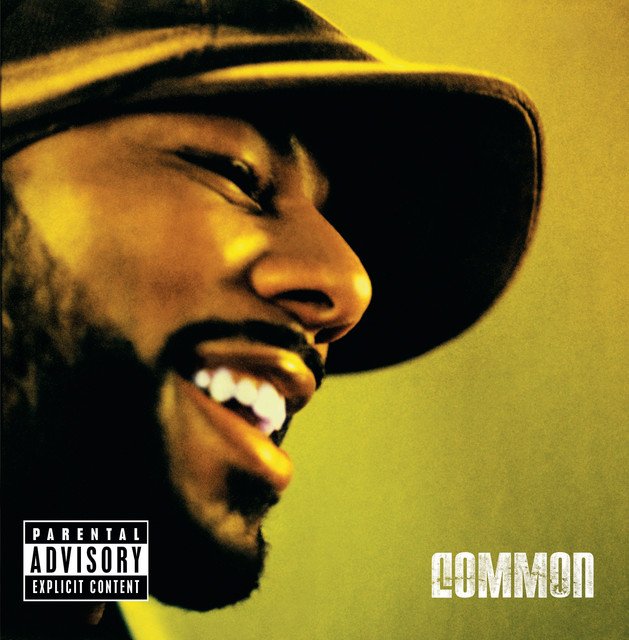
4. Be
Common
“Be is the sixth album by American rapper Common. Primarily produced by Kanye West, with contributions from J Dilla, it marked a return to soulful, conscious hip-hop after the experimental Electric Circus.” - Wikipedia
The album opens with that instantly recognisable upright bass line on the title track, a statement of both purpose and poise. Across just eleven concise songs, Be offers a kind of spiritual calm rare in mid-2000s hip-hop - an LP more about reflection and grace than bravado.
The production is silky smooth throughout. The bass in particular stands out, offering a deep, unhurried groove that feels confident without ever forcing the issue - a cigar to other rappers’ cigarettes. Tracks like “Go!” and “The Corner” show Kanye at his most soulful, layering samples with church-like warmth, while “Faithful” and “Love Is…” glide on glowing organs and brushed drums. It’s sophisticated without being sterile.
Common’s cadence mirrors that elegance. His delivery has a glow - patient, measured, almost meditative - and his lyrics often walk the line between social realism and spiritual uplift. There’s a calm conviction to his flow that makes even simple bars feel profound.
If Be falls short anywhere, it’s in edge - it’s less infectious, less urgent than Illmatic or The Blueprint. But that’s also its charm: where those records burn, Be radiates. It’s a mature, soulful hip-hop classic.
9/10
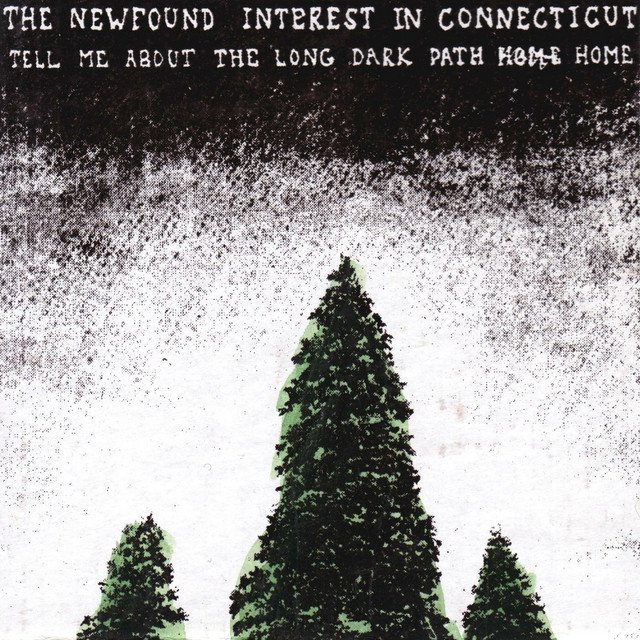
3. Tell Me about the Long Dark Path Home
The Newfound Interest in Connecticut
“Tell Me about the… was the only full-length album by Canadian post-rock/emo band The Newfound Interest in Connecticut. The group disbanded soon after, and the album developed a cult following for its raw emotionality and experimental structures.” - Wikipedia
Tell Me About the Long Dark Path Home sits somewhere between the cracked emotionalism of Midwest emo and the sprawling crescendos of post-rock, a record that sounds like it was found half-buried in snow, still humming with static warmth.
It’s an emotional storm of an album, where a few trees are lost along the way. Peter Catterson’s drumming might be some of emo’s finest - restless, expressive, never content to fall into repetition. Every snare hit feels slightly off-kilter in the best way, like he’s chasing the beat through a forest. The guitars shimmer and crash around him, equal parts beauty and abrasion.
The vocals howl from deep within the mix - pleading, cracking, often unintelligible - but that’s the point. You don’t so much listen to what’s being said as feel it: the exhaustion, the ache, the strange catharsis of shouting into the void. There’s mystery in that murk, a rare intimacy that comes from not fully knowing.
And it never overstays its welcome. Where so many albums of this ilk stretch themselves thin across crescendos and comedowns, this one keeps it lean, sharp, almost breathless. It moves like a storm front: rolls in, tears things apart, and vanishes before you’ve quite processed what hit you.
Tell Me About the Long Dark… might not explain itself, but it’s one hell of a story.
9/10
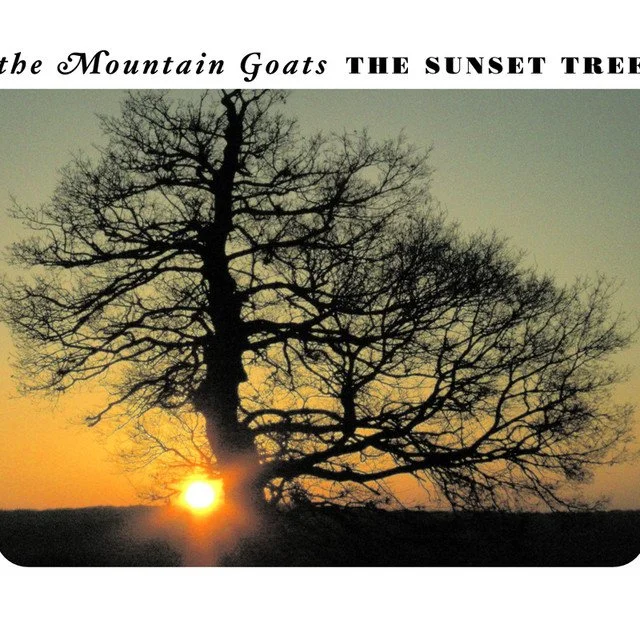
2. The Sunset Tree
The Mountain Goats
“The Sunset Tree is a Mountain Goats album focused on John Darnielle’s abusive childhood. It marked a shift from lo-fi to full-band studio production while maintaining deeply autobiographical songwriting.” - Wikipedia
“Made possible by my stepfather, Mike Noonan (1940–2004): may the peace which eluded you in life be yours now.” A liner note from the album’s release, by John Darnielle.
The Sunset Tree is an unflinching stare into the eyes of a childhood of abuse - the triumphant and yet traumatised cry of someone who made it through. John Darnielle writes not with bitterness, but with the clarity of survival: every line feels like the flicker of a memory he’s brave enough to hold onto just long enough to turn into song. The lyrics are devastating, poetic and yet simple, each one carrying the weight of lived experience.
Vocally, Darnielle is completely honest - no artifice, no studio sheen to hide behind. Every note sounds felt, not perfected, and that imperfection is what makes it perfect. The production, though, has evolved markedly from the lo-fi hiss of All Hail West Texas; here there’s a full band, piano lines, and careful arrangements. Yet despite the polish, the performances remain raw, trembling with the urgency of confession.
I first heard the swell of “The Wolves” while a house burned down at the end of one of The Walking Dead’s best episodes, and that was my entry point to Darnielle’s world. Since then, his chaotic, compassionate brain has been a strange comfort - a reminder that art can turn pain into something radiant, that you can stare directly into the past and still keep walking forward.
9.5
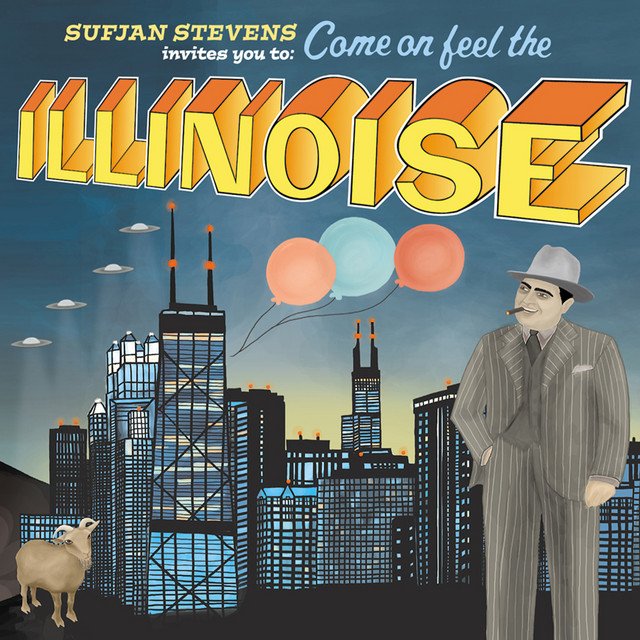
1. Illinois
Sufjan Stevens
“Illinois is Sufjan Stevens’s fifth album and part of his ambitious, semi-tongue-in-cheek “50 States” project. Mixing orchestral folk, indie pop, and Americana themes, it became one of the most acclaimed albums of the 2000s.” - Wikipedia
Sufjan continues with his tongue-in-cheek “50 States” project, but this time he accidentally creates a masterpiece. Illinois is a glowing, floating album - a world unto itself - that feels like a night-time walk through Chicago with the city suspended in quiet, celestial motion. It’s astonishing that so much of this record was captured on a simple Shure SM57; that knowledge alone makes me want to give up recording altogether, knowing that with all the microphones in the world I’d still never reach this kind of lush, crystalline sound.
Across its 22 tracks, Illinois moves from chamber pop to minimalist folk to kaleidoscopic orchestral bursts, each one stitched together by Sufjan’s intricate arrangements and fragile voice. Songs like “Chicago” and “John Wayne Gacy, Jr.” showcase his ability to pair grandeur with intimacy - the former soaring with open-road optimism, the latter whispering unbearable sorrow. There’s humour too, in the comically long song titles and the sense of Midwestern whimsy that threads through it all.
It’s a record obsessed with America - its myths, tragedies, and miracles - but what lingers is its emotional universality: loss, faith, and the yearning to make sense of the chaos. Illinois manages to sound both enormous and homemade, as if every clarinet and trumpet were carefully placed by hand. A songwriting marvel and a production miracle, I expect this will remain Sufjan’s most complete statement.
9.5